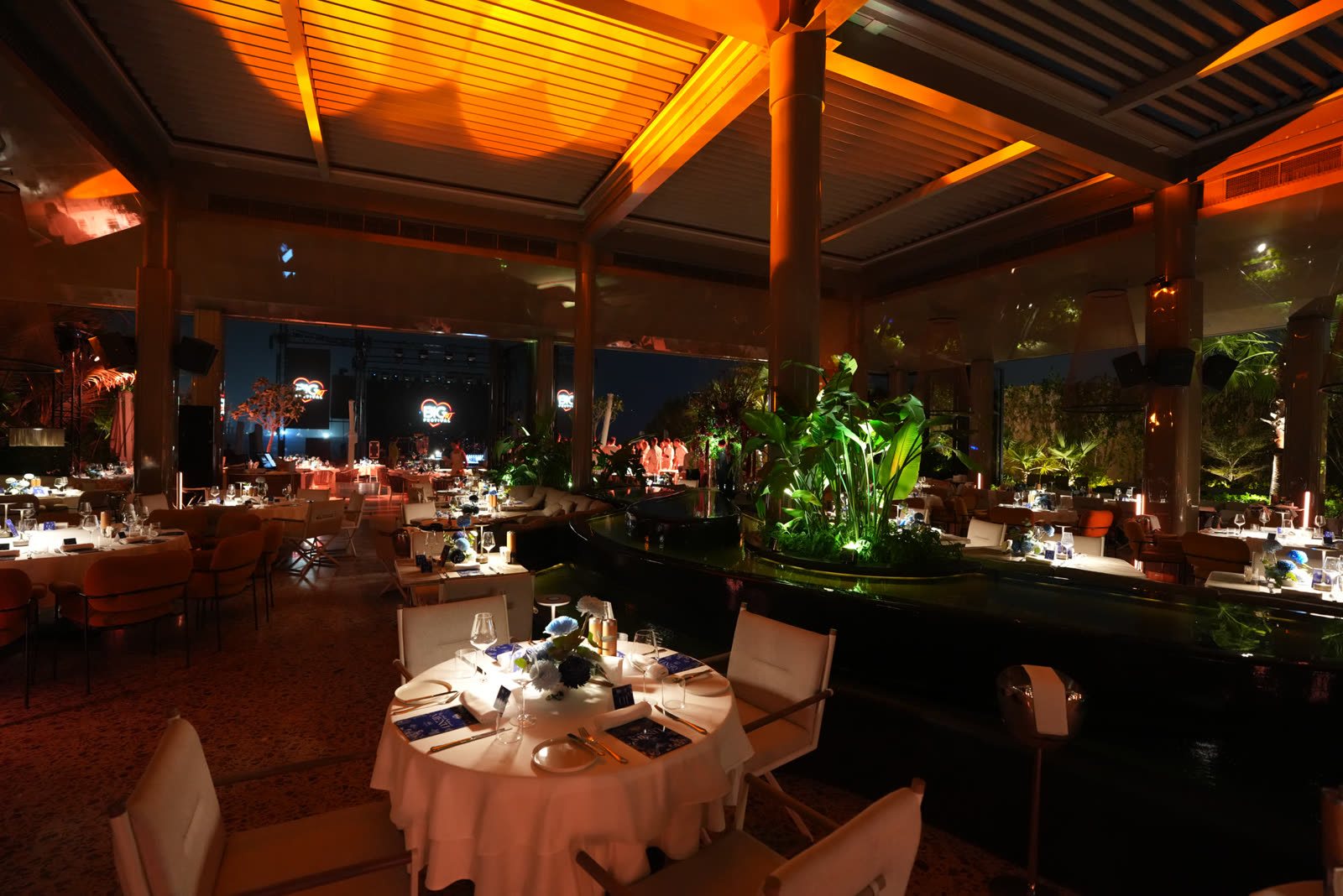
A venue set and waiting for guests. The quiet hours before an event are where most of the photography is decided.
Photography · Events · Dubai
There is no rush fee. The price of an event photographer in Dubai is the same whether you write three weeks out or the evening before. What changes is everything that happens between “booked” and “shooting” — and that part is where most of the photographs are decided.
A venue set and waiting for guests. The quiet hours before an event are where most of the photography is decided.
Between booked and shooting
From the outside, booking a photographer looks like one message and a date in a calendar. From our side, the date is where the work starts. Between a confirmed booking and the first frame there is a short list of things that only happen if there is time for them.
A brief call, usually twenty minutes. Who are the people that must be in the pictures, which moments are non-negotiable — the handshake, the signing, the award, the sponsor wall — and where the photographs are going afterwards: press, LinkedIn, a sponsor report, the website. We wrote a whole piece about that conversation and why the event manager matters more than the camera: what a good event photographer needs from you.
Access. Closed venues, government buildings and anything with an official delegation run on lists. Names, ID details, sometimes a car plate. Those lists close days before the event, not on the morning of it, and once they are closed nobody at the door can help you.
A look at the room. A walk-through if the venue allows it, a floor plan and a few phone photos if it doesn’t. Where the stage light falls, where the windows are, where the press wall stands and whether it has any light of its own.
Gear chosen for that room, not a generic one: a long lens for a big hall where you cannot get closer than twenty metres, a light for the press wall, a second photographer when the stage and the foyer matter at the same time. And a delivery plan — who receives the 24-hour preview, in which formats, vertical for stories or horizontal for press.
None of this is complicated. All of it takes calendar days, and some of it — the access list especially — has a deadline that is not ours to move.
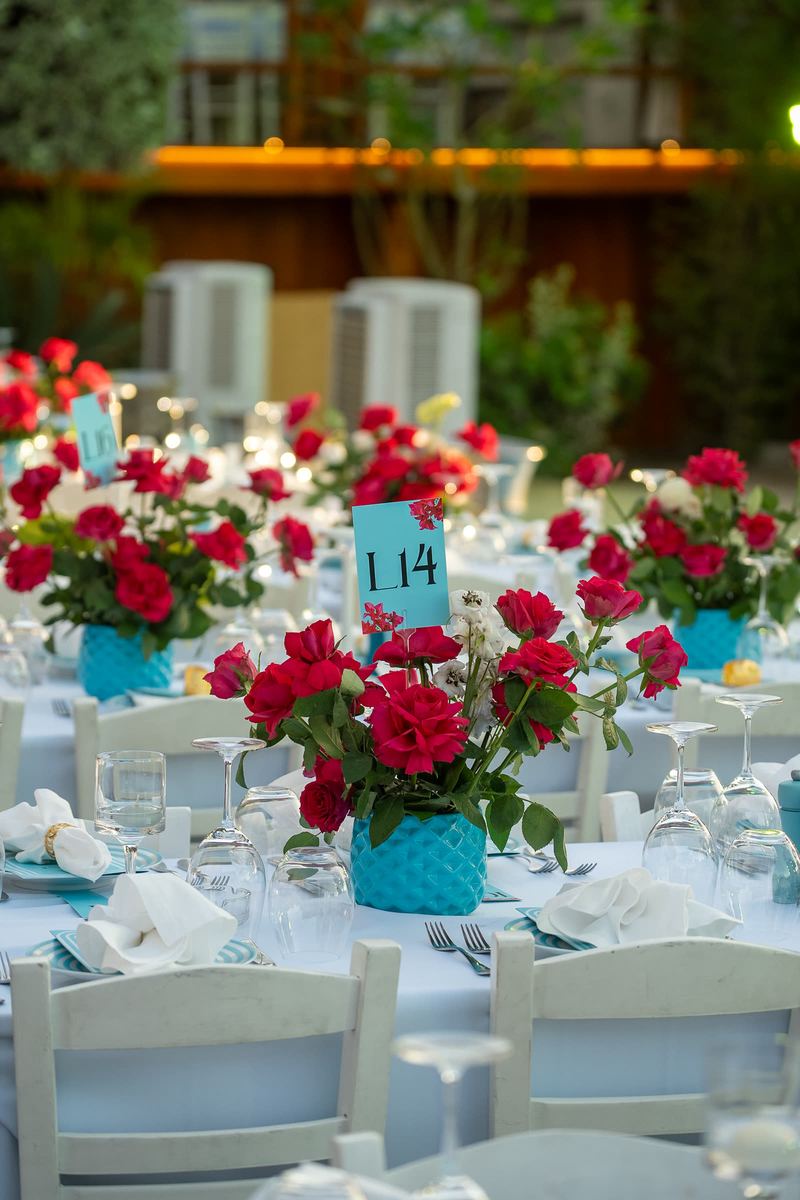
Table numbers, flowers, empty chairs. Preparation is the part of an event nobody photographs — and the part that decides how the rest of it looks.
From practice
We keep these deliberately vague. No client names, no venues, no drama — just what the timing did to the result.
The evening call. “Are you free tomorrow morning?” We were, and we shot it. But the photographer who was free was simply the one who was free, not the one whose eye suited that kind of event. There was no list of who mattered, so the people who mattered most are in the gallery by luck rather than by plan. The press wall turned out to be in a dark corner, and no light had been planned for it because nothing had been planned. The photographs were fine. There was just very little to choose from — and choice is what a gallery is.
The delegation. An official visit with a protocol side. We were confirmed the day before; the access list had closed two days before that. Our photographer worked from the lobby and the corridor, and the handshake everyone wanted happened behind a door. Nobody on the day could fix it, and nobody was at fault. The list simply closed earlier than we were added to it.
The gala decided in a week. Budget approved on a Monday for the Saturday. Enough time to book, not enough to think. The press wall stood under a chandelier — dark faces in front of a bright logo — and the stage and the foyer both mattered, with one photographer to cover them. Light on the wall and a second photographer are both ordinary add-ons on our gala dinner page; both need a person and a case to be free that night. With two more weeks, they would have been.
The one that went well. Booked three weeks out. One call, a walk-through the afternoon before, a short list of people who had to be in frame, the PR manager’s number in WhatsApp. On the night, nobody thought about photography at all — which is the whole point. The preview selection went out the next morning, while the event was still news.
December. A corporate evening in the second half of the month, and the call came a few days out. We could staff it, honestly. But “who is free” and “who is right for this room” were different people that week, because every good photographer and half the venues in the city were already on someone’s calendar. That is not a sales line. It is just what December in Dubai looks like.
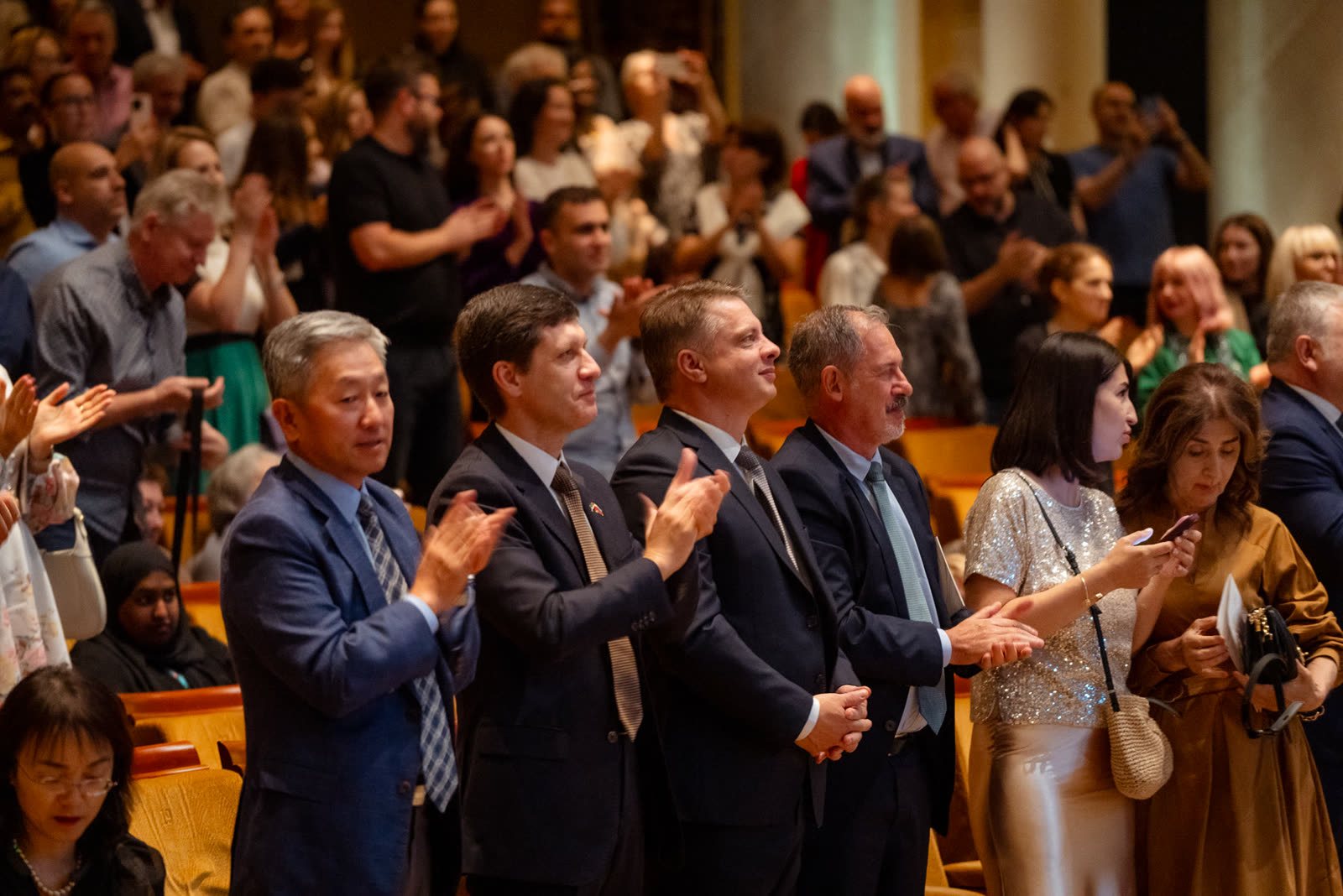
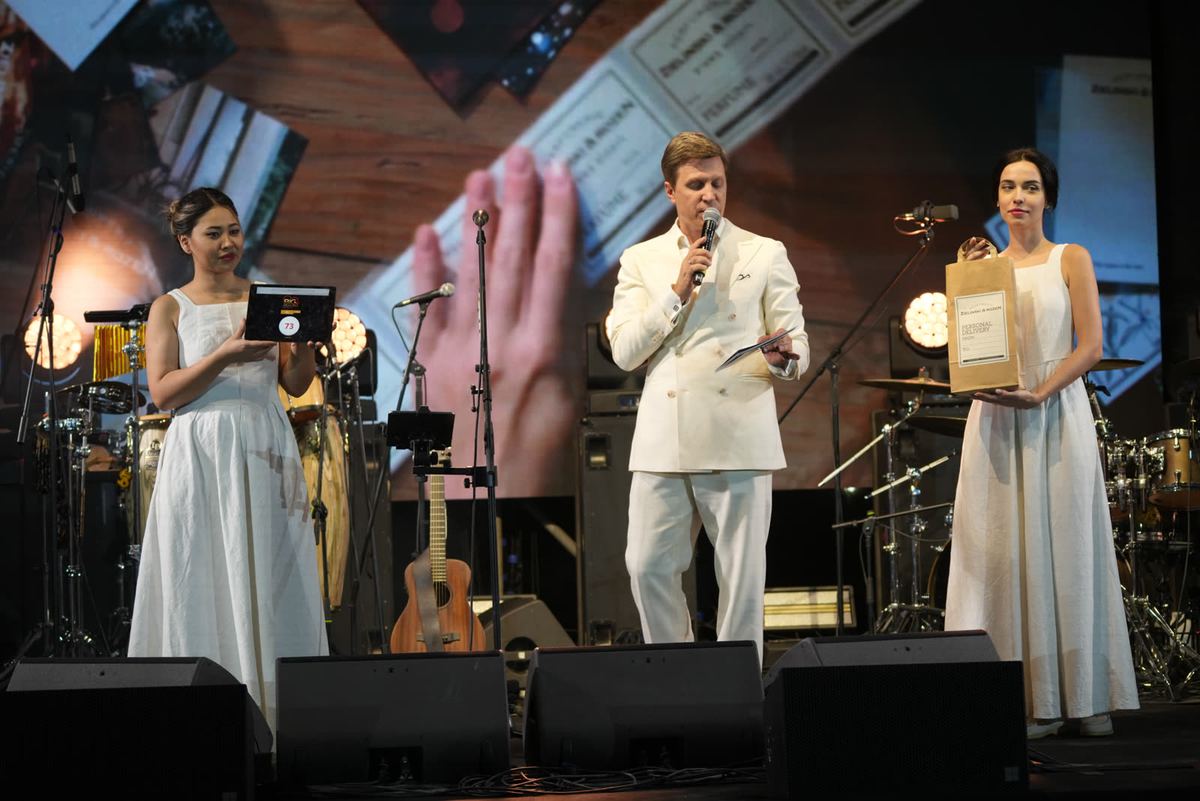
The ovation and the handover happen once. Whether the photographer is standing in the right place for them was decided weeks earlier.
What doesn’t change
We don’t charge a rush fee, and we don’t intend to. The rate card is published — first hour, every hour after, the add-ons — and it reads the same on a Tuesday three weeks out and on a Friday night for Saturday. Booking late does not cost you more money.
It costs you preparation. The brief, the walk-through, the right add-ons, the right person for the room, the access list that made it in time. All the things that turn “we have photographs” into “we have the photographs we needed”.
The other half of this matters just as much: booking early doesn’t cost anything either. Thirty percent holds the date. Cancellation is free up to 24 hours before the event, because dates in Dubai move all the time and we would rather move with you than argue about a deposit. Later than that, 50% of the booking. Rebooking to a new date is a message, not a negotiation.
So the honest picture is this. Early costs nothing and risks nothing. Late costs nothing and gives up quite a lot. The only reason most people book late is habit.
Timing
Deadlines in articles like this one turn into pressure very quickly, so take these as what they are: what usually works.
The same logic applies to a video crew, only more so: sound, light and a second camera all need planning, and a video team is harder to find free at short notice than a single photographer. A conference with several halls is the same story: parallel sessions mean a second photographer, and that is a booking question.
Checklist
If you are reading this with the date already close, none of the above is a reason not to write. It is a reason to write today rather than tomorrow.
Read next
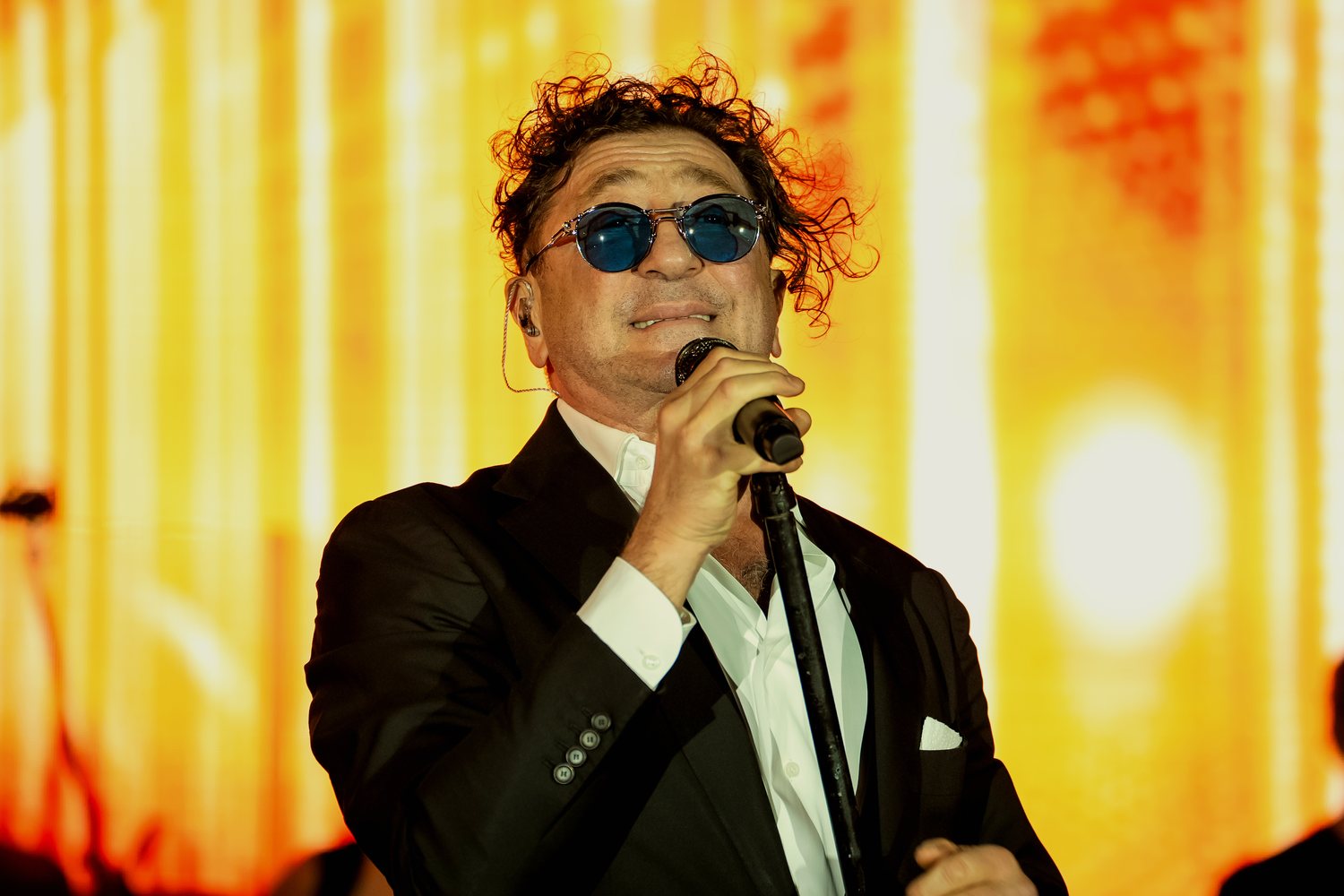
How a star-vocalist concert is photographed in Dubai — Grigory Leps at Nammos, produced by BigArt. Capturing the emotion with timing and access.
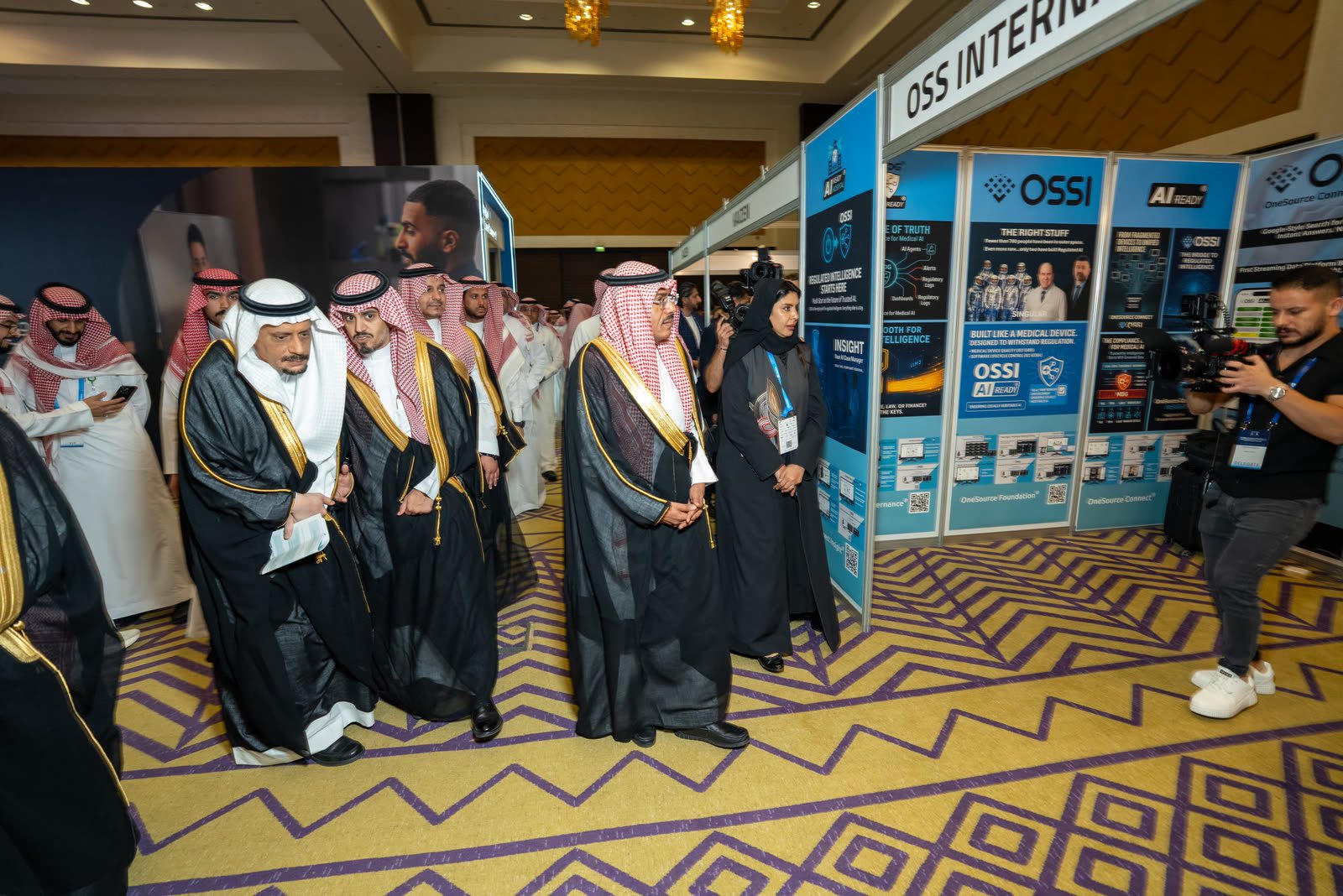
A clear brief, room to move and one person on WhatsApp: the three things that decide an event gallery — and the story that made us always pack spare kit.
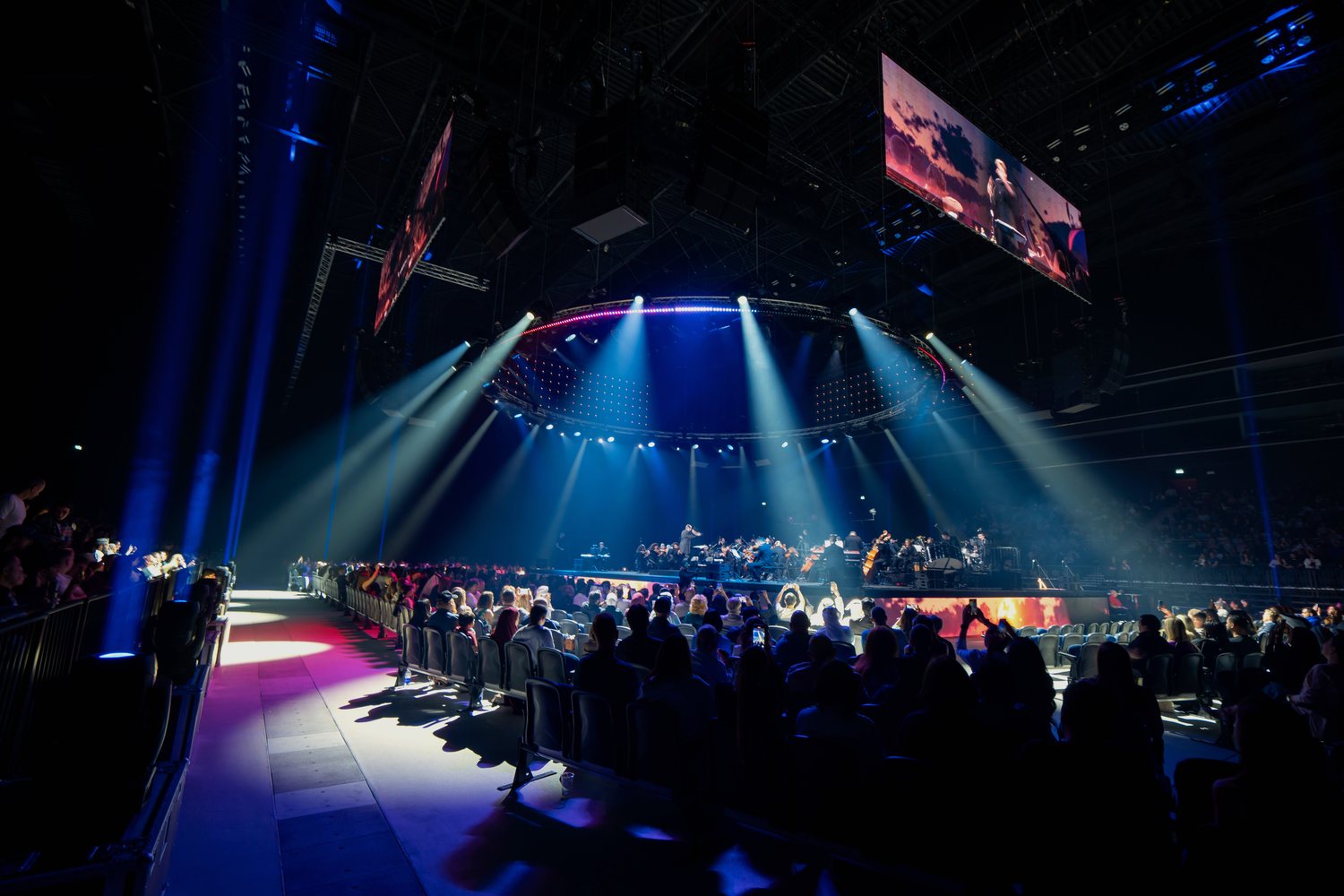
What it takes to photograph a concert in Dubai — access, the right lenses and being in the right place. Behind a sold-out Imperial Orchestra Cinema Medley night at Coca-Cola Arena.
See how we do it: Event photographer in Dubai — the whole rate card — what we film, how it works and what it costs.
Tell us the date and the kind of event — we’ll come back with the price and what we would plan for it, within three working hours.