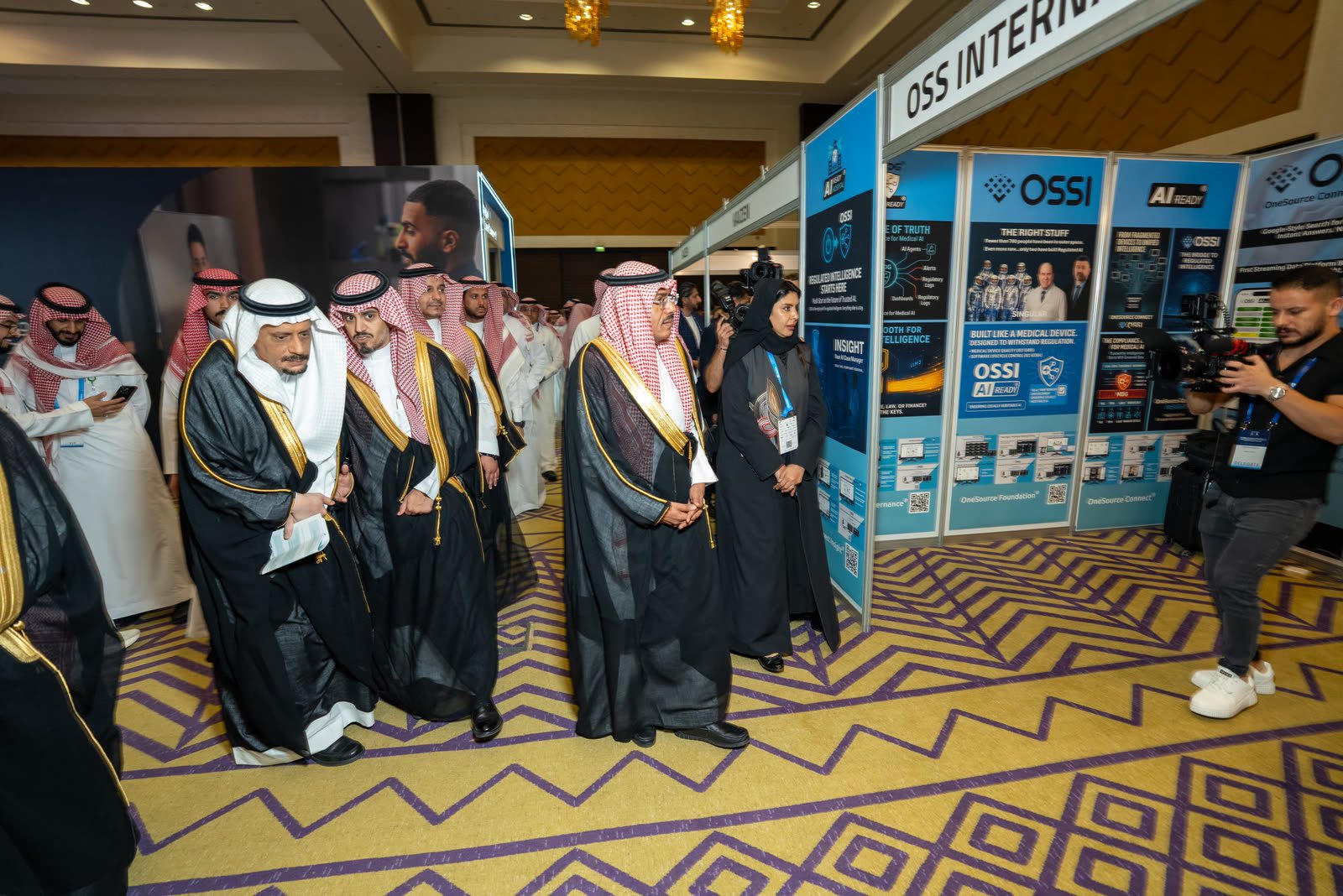
An official delegation on the exhibition floor. Moments like this last about four seconds — you are either in position or you are not.
Photography · Events · Dubai
Every event manager wants the same thing from an event photographer: be everywhere, catch everything, don't get in the way. That is possible. But it depends less on the camera than on three things the organiser controls. Here is what they are — and the one story that taught us to always pack a spare.
An official delegation on the exhibition floor. Moments like this last about four seconds — you are either in position or you are not.
The job
An event is a hundred small scenes at once. The keynote on stage, the handshake by the coffee station, the sponsor's logo on the press wall, the two guests who finally met after a year of emails. A good photographer catches most of it. Not by running faster than anyone else — by knowing where the next moment will happen and standing there early.
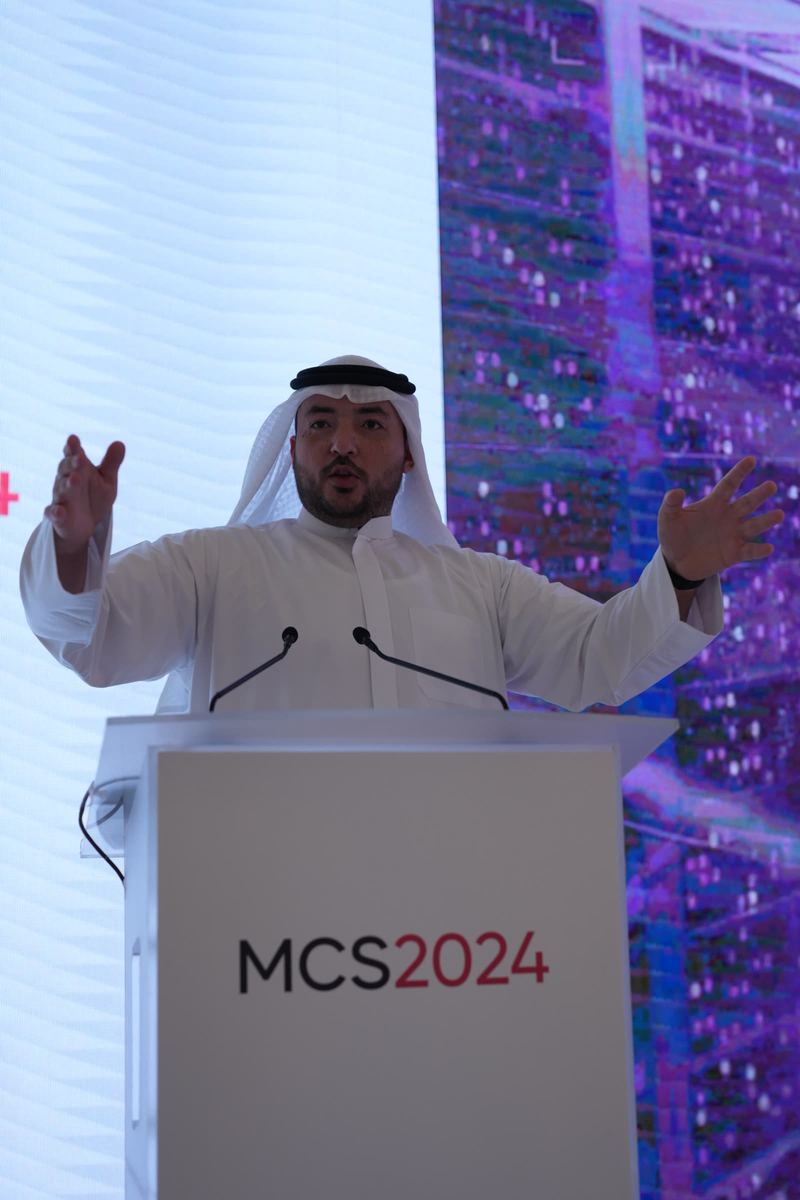
Experience helps, and so does modern gear. Long lenses let us pull a tight close-up of a speaker from the back rows, so nobody has a camera in their face mid-sentence. Two bodies mean we don't swap lenses at the wrong second. A silent shutter matters in a closed meeting where every click is heard. None of this is a brand list. It's what lets a photographer work a conference hall without becoming part of the scene.
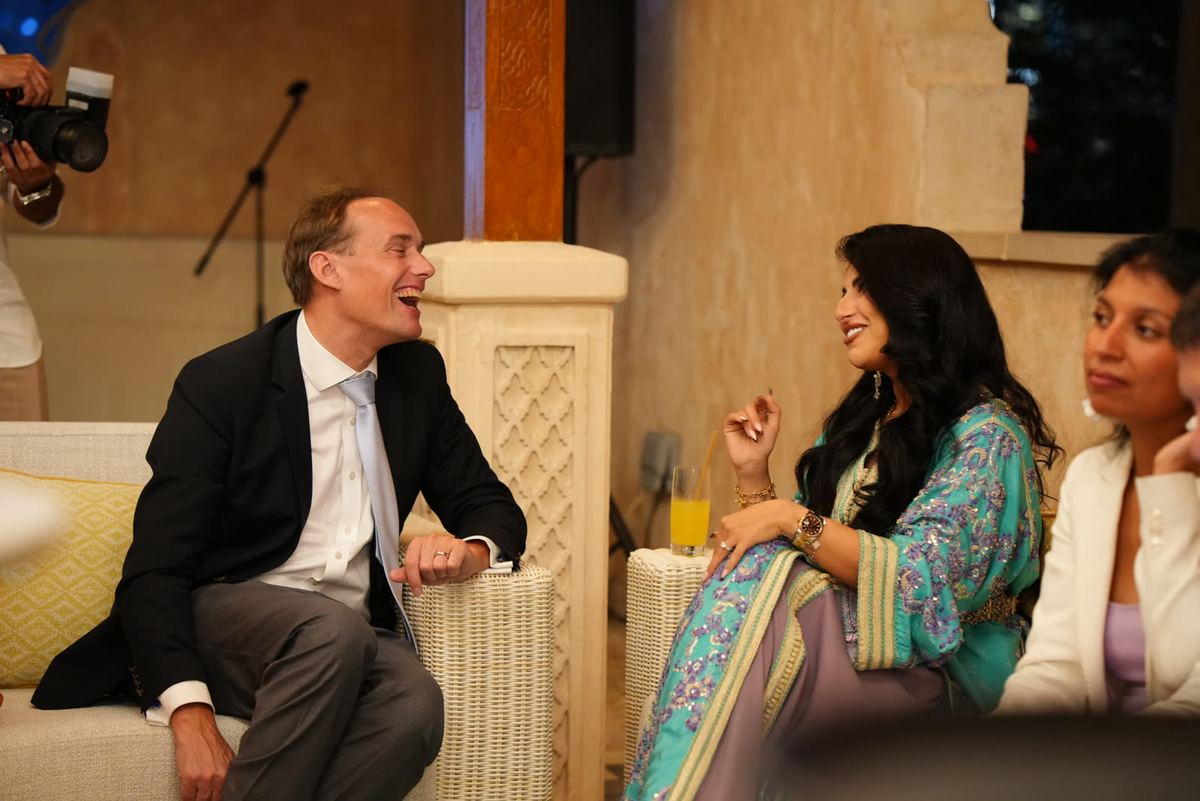
The other half of the job is shooting for several uses at once. The same evening usually has to produce horizontal frames for the website and the press, vertical ones for Stories, tight portraits for LinkedIn, wide shots of a full hall for the sponsor report. If we know that in advance, we shoot it in advance. If we don't, someone ends up cropping a landscape into a Story and wondering why it looks wrong.
Condition one
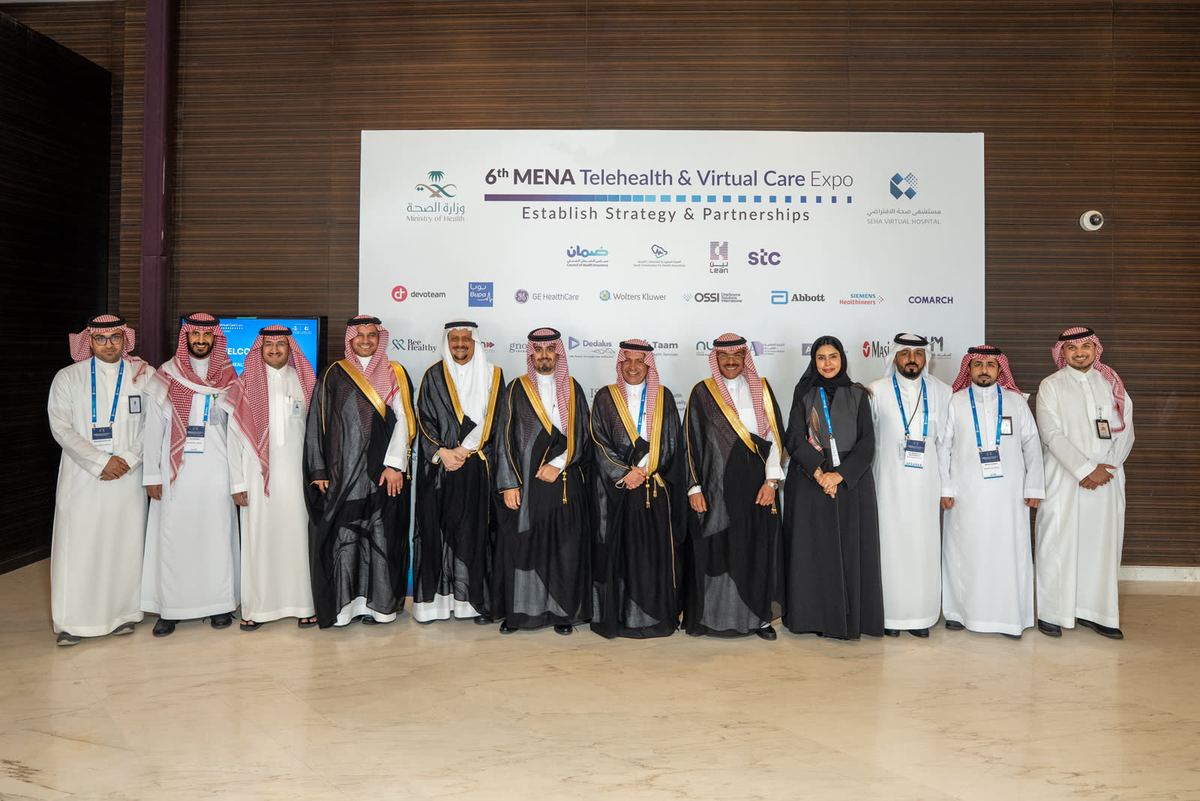
We do read the run of show. But the most useful document we get before a conference or a gala is shorter: who matters, and what cannot be missed. The key people — hosts, guests of honour, the partners somebody flew in for. The mandatory moments — the handshake, the award handover, the signing, each speaker on stage, the sponsors' logos actually visible in frame rather than hiding behind a lectern.
Then the second half: where will the photos go? Press and PR, social media, a report to sponsors, the website, internal channels. Each of these wants a slightly different picture. Tell us, and we shoot the full set on the same day instead of hoping one frame does everything.
This is also where the portrait question comes up. The leadership team is dressed up and in one place — do you want a few clean headshots while they are? Usually yes. It takes ten minutes if it's planned and doesn't happen at all if it isn't.
Condition two
A photographer parked in a corner takes photos of a corner. To be everywhere, we need to be allowed everywhere: a badge that opens the right doors, a spot by the stage, access to the protocol line when the official guests arrive. "Stay behind the rope" produces exactly the pictures you'd expect from behind a rope.
The hesitation is understandable — nobody wants a photographer bumping into a minister. This is where experience earns its keep. We have shot for local government bodies, official delegations and closed-door meetings, and accompanied VIP guests — musicians, footballers, business owners — whose security teams set the rules. We know where you can stand and where you can't, when the camera goes down, how to move alongside the protocol group without ever being in its way. A photographer who knows protocol gets more access, not less, because nobody has to worry about them.
Much of that work sits under NDA, which is why the gallery on our press-wall and official photography page shows only part of what we do. If you're choosing a photographer and want to see the real thing, ask — we'll send a full gallery from a comparable event, privately.
Condition three
The third condition is the simplest and the most often skipped: one person from the event team who is reachable. Standing next to us or in a WhatsApp chat — either works. Someone who can write "the sponsor's CEO just arrived, main entrance" or "get the table with the ambassador before dessert". We can't read badges from across the hall. The event manager can.
It works in both directions. A photographer looks at the room through a lens all evening and notices things nobody else has time for: the stage light is behind the speaker's head, the group photo will look better two metres to the left, the press wall is unlit. A short line to the manager means those notes get used — instead of being discovered in the gallery a week later.
And if there's a video crew on site, the same channel serves both. One brief, one person to ask, and photo and video stop stepping on each other's moments.
A story
A real case, without names. On the pre-event call we agreed with the manager on one thing: the key person must not be seated with their back to the large windows. The hall was dark, the windows were bright — a guaranteed silhouette. She agreed. Then it never reached the client, and on the night the guest of honour was seated exactly there.
Had the venue banned flash — and many do at formal dinners — every frame of that person would have gone in the bin. What saved the set was the spare kit in the bag: flashes we could bounce off the ceiling, and fast lenses that hold a face against the light. The photos went out on time. The client never learned how close it was.
Two lessons we've kept since. First, the small things get said out loud, early, and to the person who actually decides the seating. Our photographers will tell you which side to put the table on, where the stage light should come from, which wall makes the better backdrop — you only have to ask. Second, we always bring more than we expect to need. A second body, spare flashes, batteries, cards. It's weight we carry so you never notice it wasn't there.
Checklist
Five minutes of preparation on your side changes the whole gallery. The short version:
And one more item, which deserves its own article: the date. The earlier the photographer is booked, the more of this list gets done calmly rather than the night before — we wrote about why it's worth booking early.
Everything about the format and the prices lives on the event photographer page: the hourly rate, the five-hour set, the full-day shift and the add-ons like a second photographer or press-wall lighting. All of it open, so you don't have to ask.
Read next
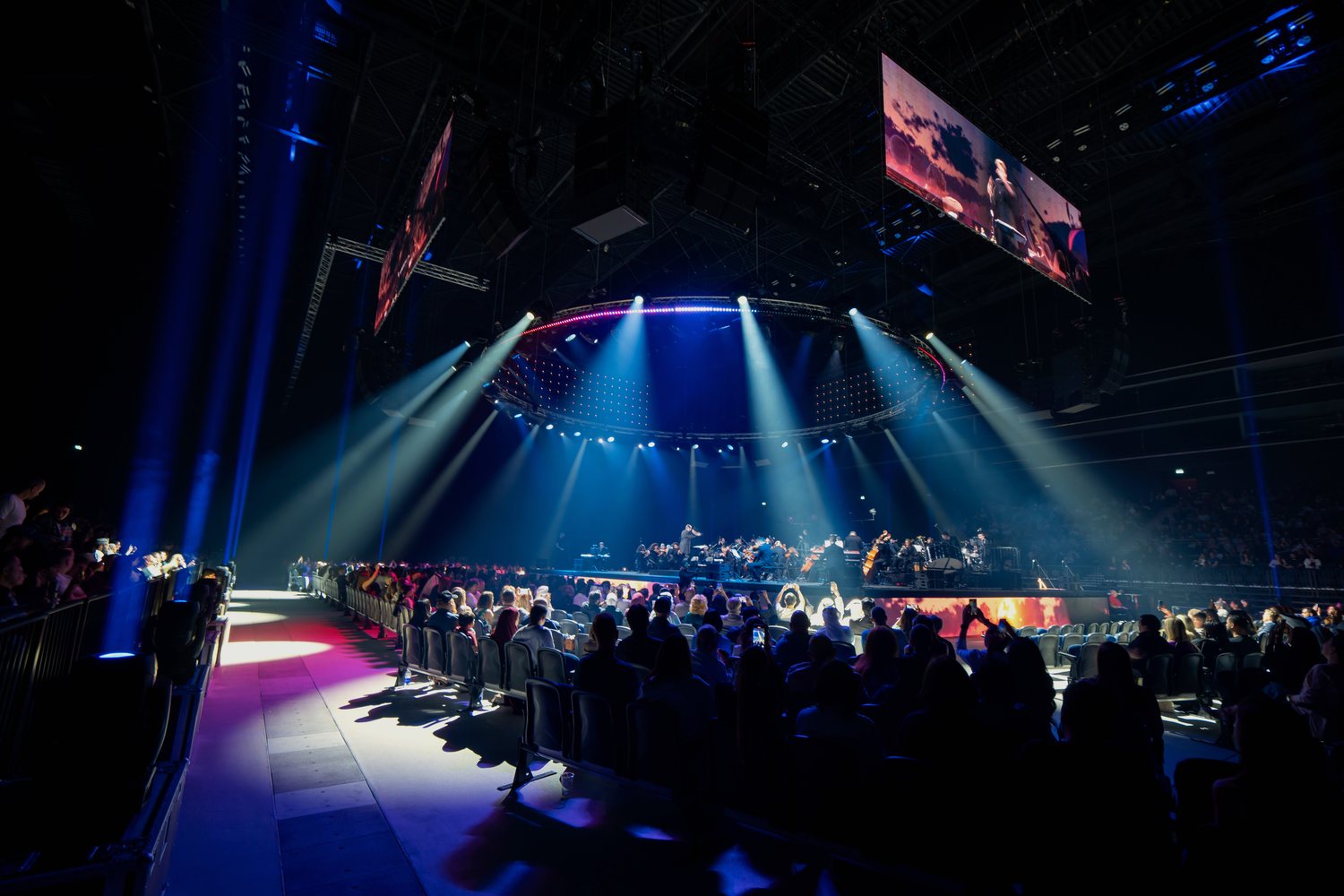
What it takes to photograph a concert in Dubai — access, the right lenses and being in the right place. Behind a sold-out Imperial Orchestra Cinema Medley night at Coca-Cola Arena.
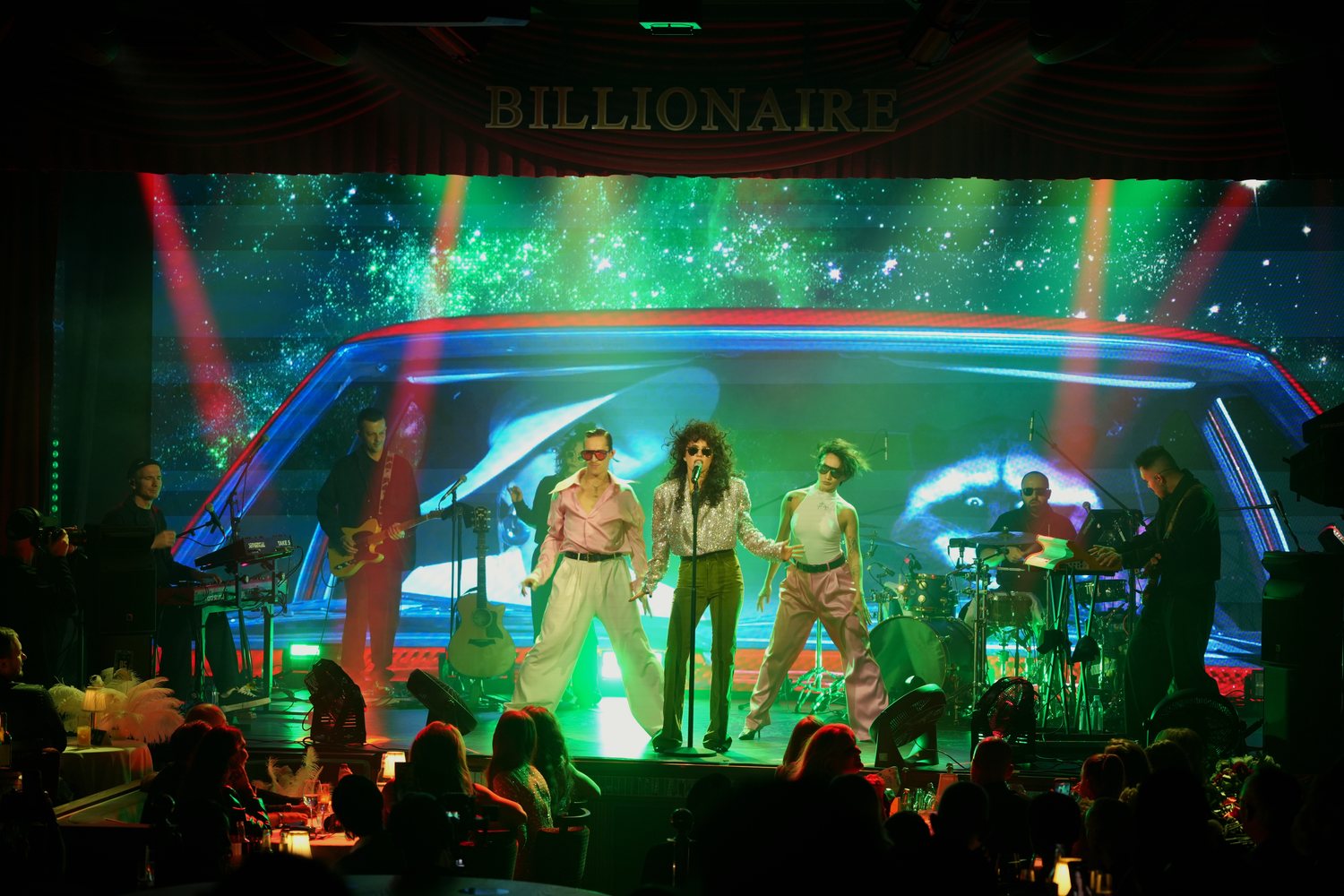
How a premium concert is photographed in Dubai — a Zivert night produced by BigArt. Why VIP event photography demands discretion, fast glass and a photographer who matches the room.
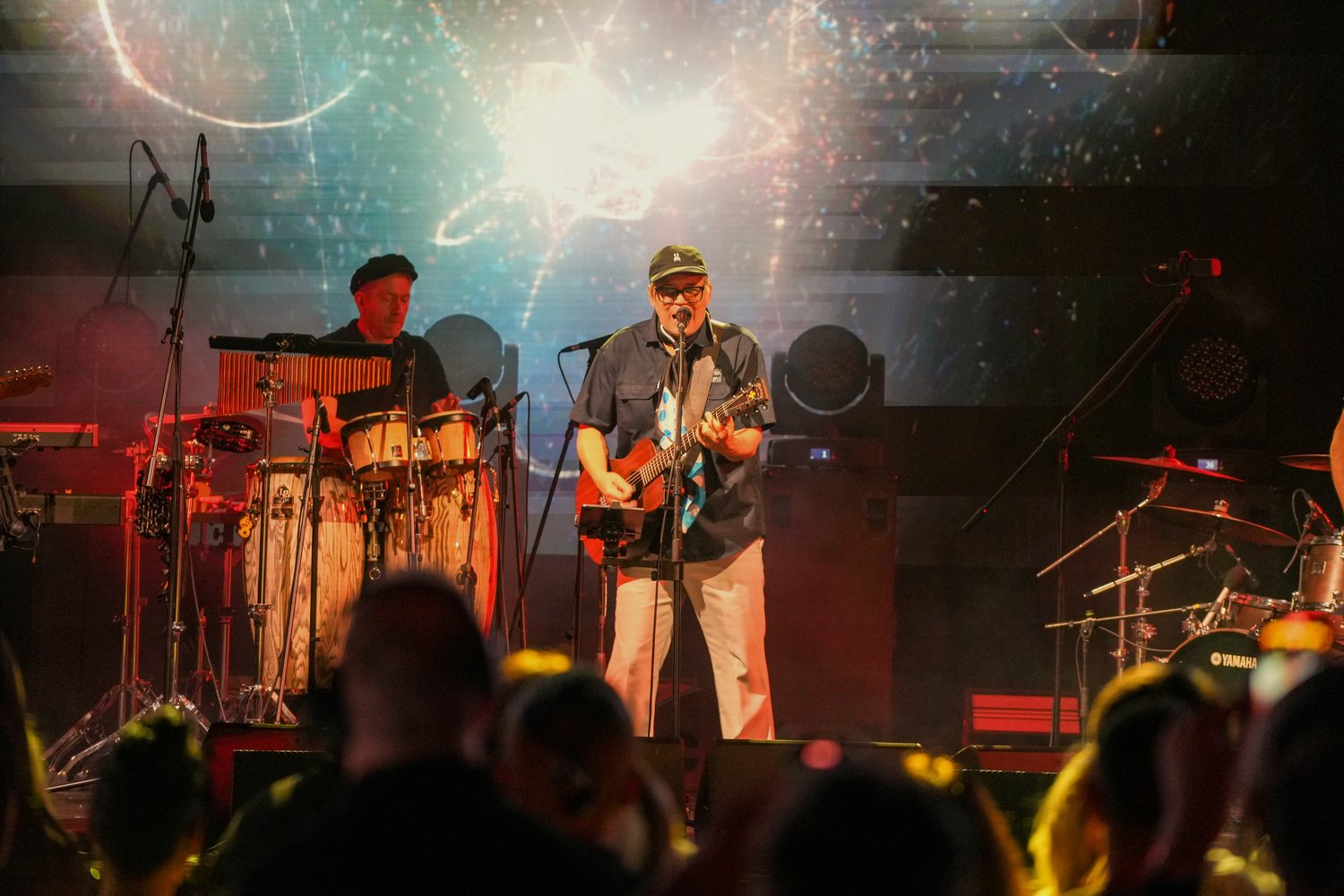
How a rock concert is photographed in a luxury Dubai room — Mumiy Troll at Sakhalin, produced by BigArt. Fast glass, access and discretion.
See how we do it: Event photographer in Dubai — the whole rate card — what we film, how it works and what it costs.
Send the date, the venue and a couple of lines about the programme — we'll come back with a plan and a price within 24 hours.